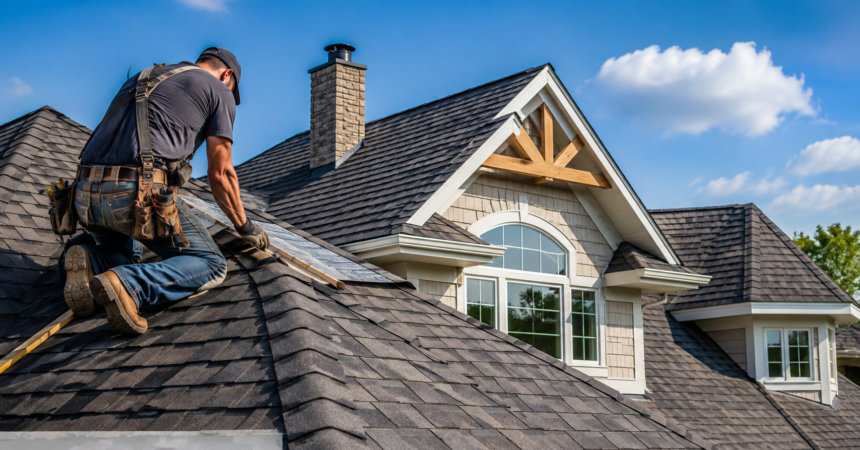
Steep slopes, intersecting rooflines, dormers, valleys, and multiple elevations can turn a routine roofing project into highly detailed work. Complex geometry creates more places where water can collect, materials can separate, and installation errors can remain hidden. Homeowners comparing Huntsville roofers should look for crews that understand how unusual roof shapes affect drainage, flashing, ventilation, safety, and long-term performance.
Why Complex Rooflines Require More Careful Planning
Complicated roofs contain more transitions than simple gable or hip designs. Each valley, ridge, wall intersection, chimney, skylight, and change in pitch creates a location where materials must overlap correctly to direct water away from the home. Accurate measurements matter because standard square-foot estimates may not reflect waste from angled cuts or specialty pieces. Detailed planning allows a roof company to calculate material quantities, labor needs, safety equipment, and installation order before work begins.
Look for Experience With Valleys and Intersecting Slopes
Valleys carry large amounts of rainwater because two roof sections drain toward the same channel. Poorly placed shingles, weak underlayment, or incorrect flashing can slow drainage and allow moisture beneath the surface.
Skilled Huntsville roofers know whether an open, closed-cut, or woven valley method suits the roof’s pitch and materials. Their decision should account for water volume, local weather, shingle type, and the way nearby roof sections feed into the valley.
Can the Crew Handle Steep and Changing Pitches Safely?
Steep roofs require more than ladders and basic fall protection. Crews may need roof brackets, anchors, harnesses, staging platforms, or specialized lifting equipment to move safely without damaging shingles.
Changing pitches add another challenge because materials must remain aligned as the roof angle shifts. Contractors appearing in searches for roofing near me should explain how they protect workers, secure tools, and prevent foot traffic from scuffing newly installed surfaces.
Flashing Details Often Determine Whether Repairs Last
Flashing directs water away from joints where shingles alone cannot provide enough protection. Complex homes may need step flashing, counterflashing, kick-out flashing, valley metal, apron flashing, and custom pieces shaped for unusual transitions.
Small mistakes can cause leaks far from the visible defect because water often travels along decking or framing. A qualified roof repair company should inspect flashing as part of any Huntsville roof repair rather than sealing exposed gaps with roofing cement alone.
Ventilation Must Match the Roof’s Separate Sections
Unusual roof shapes can create isolated attic spaces that do not share airflow evenly. One section may receive enough intake air while another traps heat and moisture near the decking.
Balanced ventilation requires calculating the needs of each connected or divided area. Experienced contractors examine soffits, ridges, attic partitions, cathedral ceilings, and low-slope sections before recommending vents that could affect energy use and shingle life.
Drainage Paths Should Be Studied Before Work Starts
Rain does not leave a complex roof in a straight line. Upper slopes may discharge onto lower sections, dormers may direct water toward sidewalls, and short valleys may send concentrated runoff toward gutters.
Careful assessment reveals where water moves fastest and where debris is likely to collect. Anyone searching for roof repair near me should favor companies that inspect gutters, downspouts, diverters, and discharge points along with the roofing materials.
Material Choices Should Fit the Roof’s Angles
Certain shingles and panels perform better on specific slopes. Low-pitch areas may require different underlayment or membrane protection because water drains more slowly than it does from steep surfaces.
Product selection also affects how neatly materials fit around curves, turrets, dormers, and narrow roof planes. Knowledgeable installers should explain why a proposed system suits the structure instead of recommending the same product for every home.
Complex Repairs Need Precise Leak Investigation
Water stains rarely sit directly below the opening that caused them. Moisture can enter near a chimney, follow a rafter, cross an attic cavity, and appear indoors several feet away.
Methodical inspections trace that path through exterior evidence, attic staining, moisture readings, and controlled water testing. Reliable Huntsville roof repair work begins with finding the entry point rather than patching the first damaged shingle in sight.
Detailed Estimates Make Contractor Comparisons Easier
Clear proposals should identify each roof section, planned materials, flashing work, ventilation changes, decking allowances, cleanup, and warranty coverage. Vague estimates make it difficult to see whether the contractor understands the building’s geometry. Written scopes also help homeowners compare roof replacement recommendations fairly. One bid may include custom metalwork and structural repairs, while another may omit those items and appear cheaper only because essential work is missing.
Project Supervision Matters on Multi-Level Roofs
Multi-level homes require crews to coordinate work across several surfaces without exposing unfinished areas to sudden rain. Supervisors must plan tear-off sequences, material placement, temporary protection, and inspection points throughout the project.
Consistent oversight also reduces errors where separate roof planes connect. Fleming Roofing provides roofing services with attention to complex rooflines, drainage paths, flashing details, ventilation needs, and the specific conditions that shape a dependable roofing plan.